From Stigma to Style: The Emotional and Cultural Rise of Second-Hand Fashion
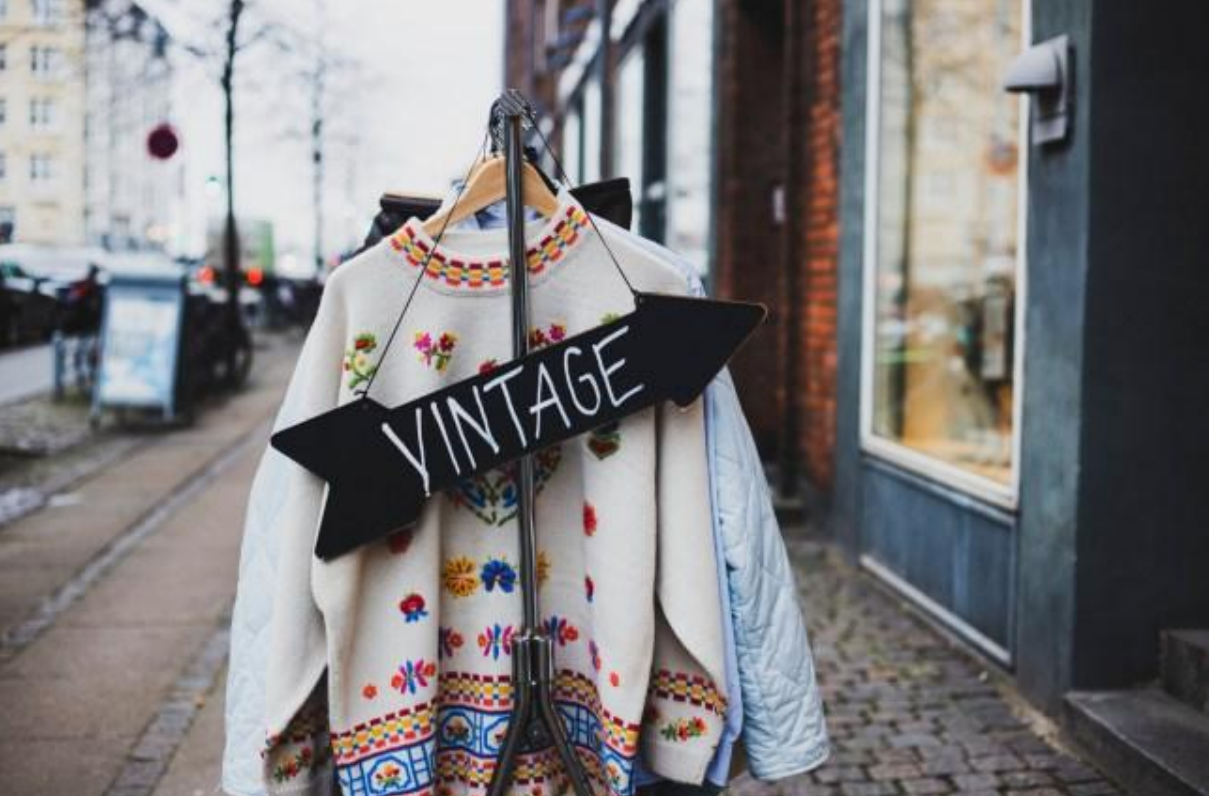
I was eight years old when my mum brought home a black velvet dress from a second-
hand shop. It had long sleeves and was flowy with a soft weight to it. I remember how it
moved when I walked, how it made me feel, like I had stepped into a version of myself I
hadn’t unlocked yet. Back then, I didn’t think about where it came from. I was just happy
it was mine. This was at the end of the 90s, when the grunge era had already made
second-hand shopping feel cool, almost effortless.
As I got older, that feeling shifted. Second-hand became something to move away from.
I wanted new, clean, untouched and current. It was the early 2000s, and this shift
wasn’t just personal. There was an unspoken stigma around wearing something pre-
owned. It felt old-fashioned, sometimes unhygienic, and quietly associated with a lack
of being able to afford new.
And for a while, I believed that.
The shops themselves didn’t help. Second-hand shops carried a certain stillness, a
musty smell, uneven rails. This was far from the bright, music-filled, neatly organised
high street stores that felt alive with possibility.
But that perception has shifted again.
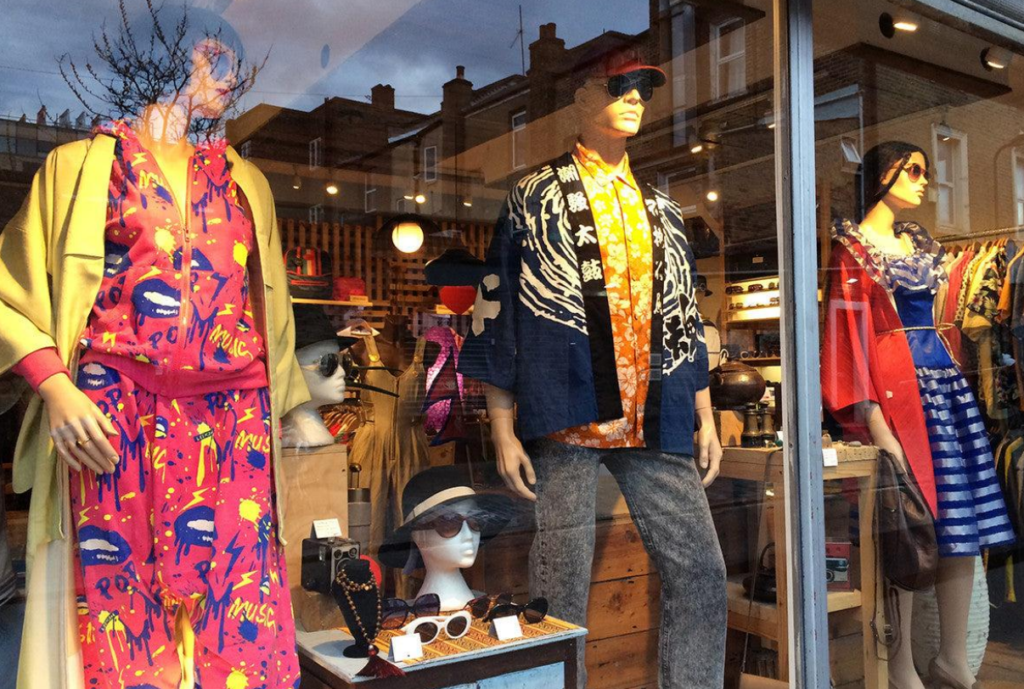
Second-hand is no longer positioned on the outside of fashion; it has moved firmly
within it. What was once associated with going against the system is now part of it. The
change feels generational. According to The Industry Fashion, 66% of Gen Z shoppers
are prioritising second-hand shopping, reflecting a wider move towards more mindful
and conscious consumption
Second-hand is no longer hidden; it’s styled, curated, and openly desired. Platforms
built entirely around resale have grown rapidly in recent years, reflecting a wider change
in how we consume fashion. from Love Island partnerships with resale platforms like
eBay and Vinted, to charity-led runways that bring second-hand into fashion’s most
visible spaces.
The State of Fashion 2026, shows that the second-hand market is growing significantly
faster than traditional retail. What was once quiet and practical has become visible and
intentional. This shift is also becoming visible at an industry level. At London Fashion
Week SS26, the Oxfam x Vinted runway show placed second-hand fashion at the centre,
reframing it not as an alternative, but as part of fashion’s future. As sustainable stylist
Roberto Lee reflected, it was “a powerful message: Wear the Change… a moment that
spoke directly to my philosophy of Wear Your Values.” In this context, second-hand
moves beyond personal choice and begins to suggest something larger, a possible
direction for fashion itself.

Alongside this, fashion rental has also grown, offering access to pieces that might
otherwise feel out of reach. But beyond affordability, it signals something deeper. Not
everything needs to be owned. Some pieces are worn once, experienced briefly, and
then released. Second-hand no longer feels like a compromise. It feels like a choice.
There’s something in wearing a piece that has existed before you. In contrast to the
speed of fast fashion, which often designs clothing to be temporary, second-hand offers
a different kind of relationship. One that isn’t built on constant replacement, but on
continuation. At the same time, conversations within sustainable fashion and the
author of Consumed Aja Barber, remind us to be cautious that resale should not simply
replicate the same patterns of overconsumption under a different name.
According to reports like ThredUp’s Resale Report, sustainability is often positioned as
the reason for this shift, and it plays a role. Increased awareness around waste and
overproduction has encouraged many to reconsider how they shop. But that
explanation alone feels incomplete. Because the return to second-hand is also
emotional.
In a time where everything is immediate, replaceable, and endlessly available, second-
hand introduces friction. You have to search. You have to look. You don’t always find exactly what you had in mind. And maybe that’s part of the appeal. It slows things down,
asks for attention and creates space for attachment.