Reworking Your Wardrobe: The BaRock Trend, DIY Denim, and Sustainable Fashion Rebellion

One of the hardest parts of my sustainable journey has been avoiding fashion trends.
Fashion moves quickly, and with every new aesthetic comes the feeling of either
keeping up (consuming more) or being left behind. I remember when pointed heels
suddenly returned after years of square-toed sandals dominating wardrobes. I had
thrown all of mine away back in 2009, convinced they were gone for good. Then almost
overnight, my shoes felt visibly outdated again! It sounds superficial, but that feeling
matters.
The fear of looking outdated, of feeling disconnected from what is current, is often what
drives consumption in the first place. When you grow bored of your wardrobe, you will
find your confidence shifts with it. Fashion and sustainability can feel difficult to
navigate together because trends are built around constant movement, while
sustainability asks us to slow down.
That tension is why I’m always looking for ways to approach trends differently.
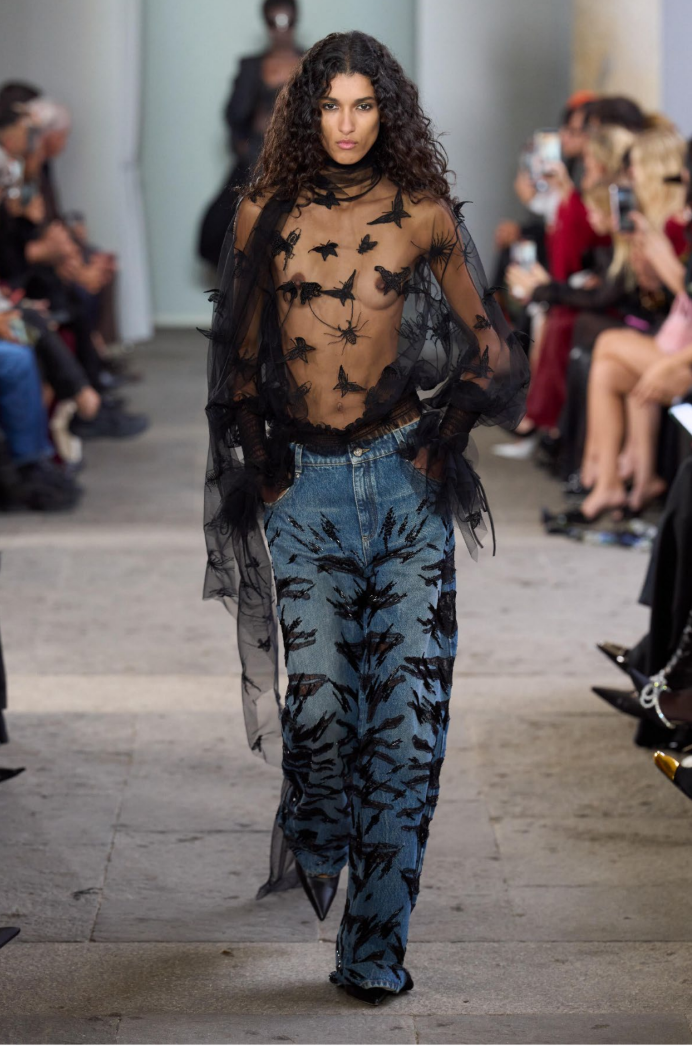
One trend currently emerging is BaRock, a dramatic, layered aesthetic forecast by
WGSN that blends lace, distressed denim, corsetry, embellishment, and heavy
hardware. The styling feels theatrical, rebellious, and intentionally excessive, echoing
both Renaissance-inspired romanticism and early 2000s nostalgia. But beneath the
visual intensity is something surprisingly practical: many of these looks can be
recreated through customisation rather than replacement.
And maybe that’s where the appeal sits.
BaRock arrives at a moment where fashion feels increasingly driven by individuality.
According to WGSN, Gen Z consumers are embracing DIY aesthetics, thrifted pieces,
and visibly layered styling as a form of self-expression rather than polished perfection.
In contrast to the uniformity often produced by fast fashion, customisation introduces
something personal back into the process.

Denim, in particular, has always carried a certain rebelliousness. From punk distressing
and painted jackets to DIY patchwork and customised jeans, it has long been altered,
repaired, and worn into identity. Some of my own favourite projects have involved
transforming denim, turning jeans into skirts, skirts into tops, adding rips, paint, or lace.
It’s one of the few materials that seems to invite experimentation without fear.
That’s what makes BaRock feel significant beyond trend forecasting.
Rather than demanding an entirely new wardrobe, it opens up the possibility of
reworking what already exists. Lace panels can be added to old denim. Vintage trims
can transform forgotten jackets. Distressing, patchwork, and layering can revive pieces
that no longer feel exciting. The trend encourages participation through transformation
rather than simple consumption.

And perhaps that’s where sustainability in fashion becomes more realistic. Not through
rejecting trends entirely, but through changing the way we engage with them. Fashion
has always carried an element of rebellion. The question now is what we choose to
rebel against. If fast fashion thrives on speed, sameness, and disposability, then
customisation offers another route, one rooted in creativity, individuality, and extension
rather than replacement.
Maybe the future of sustainable fashion isn’t about owning less style. Maybe it’s about
learning how to see our existing wardrobes differently.